
Ten Tips for Buying A Home in New Zealand when Self Employed
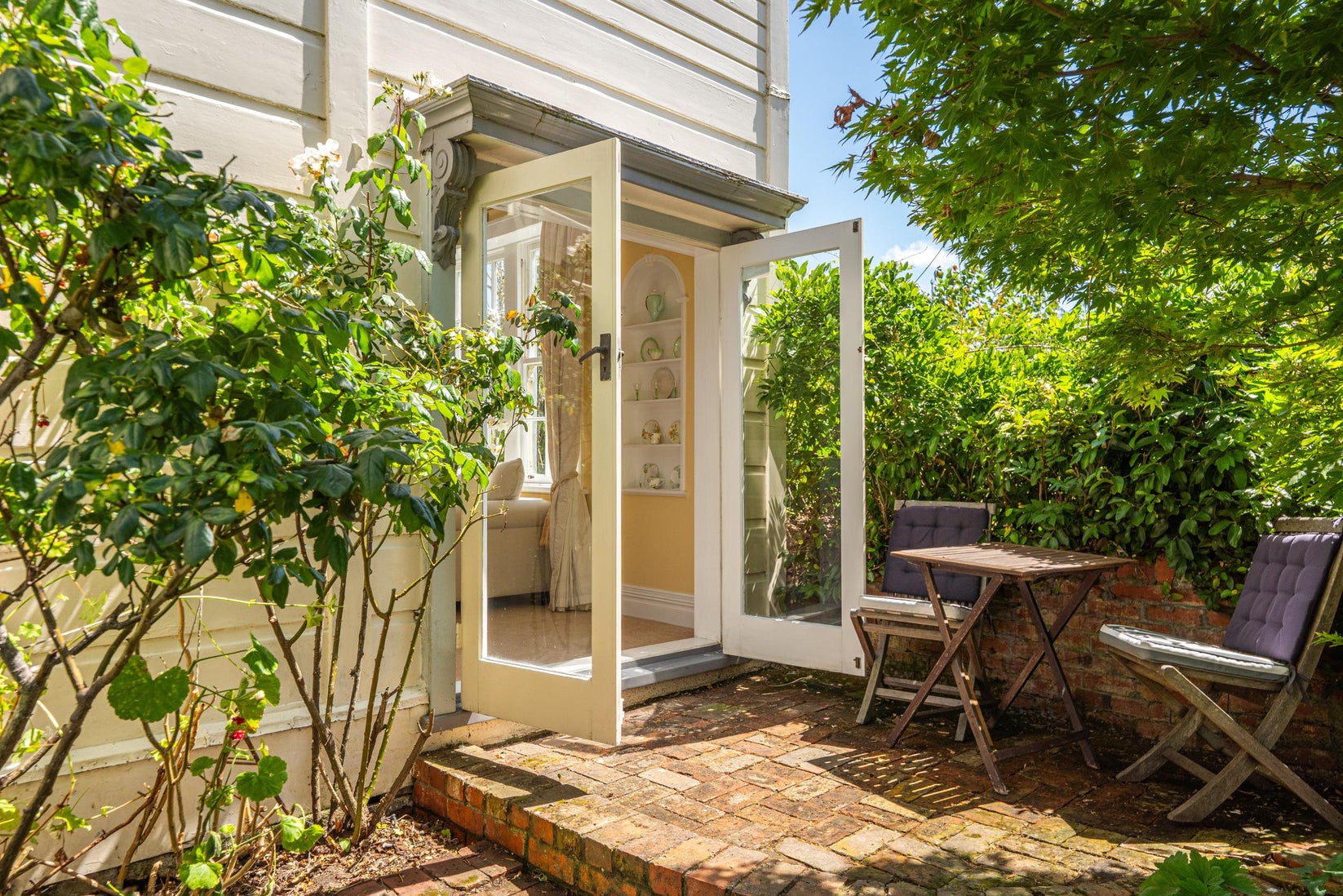
Buying a home in New Zealand can feel overwhelming, especially if you’re self-employed or raising a young family on one income. As a stay-at-home mum of five, I’m sharing what helped us secure our dream home when my husband had been self-employed for just one year.
If you’re buying a home in New Zealand, especially while self-employed, here are the strategies that helped us most.

1. Build Equity In A Starter Property Before Trying For The Dream
Play the long game here. Time in the market is everything. The best way to increase your deposit is often to buy a small starter home and hold it for several years. Buying a home in New Zealand can be pricey, it can be best done in stages.
This strategy gave us over 50% in equity in our dream home.
2. Build A Close Relationship With Your Bank
Our consultant at The Co-operative Bank in New Zealand told us that a huge factor in extending our lending, despite being self-employed, was our long standing relationship with them.
I had banked with them since I was a child, and I later brought my husband over when we purchased our first home. Relationships matter more than you might think (more on this below).
3. Get An Accountant To Help Prepare for Buying In NZ
When we bought our heritage homestead, it seemed impossible to get a mortgage as a self-employed person at first, especially without years of IRD tax returns.
Engage an accountant early and get your financial accounts in a PDF for the bank ready. To add to this, register for GST early, those returns do help demonstrate your income.
In our case the bank wanted to see a profit and loss statement, asset list (ours was very small), income tax statements for previous years and obviously bank account statements, both personal and business.

4. Maintain Your Personal Relationships
We truly couldn’t have done this without our friends and family. They supported us through the highs and lows of the process. Emotional support should not be underestimated, and having extra hands to help paint or clean before an open home is absolutely invaluable!
5. Don’t Let Having A Big Family Discourage You
You can get a mortgage with multiple children. Our bank barely questioned it, in fact, they were able to use our Family Tax Credit as part of our income for the application. Every situation is different, but don’t assume it’s impossible. When buying a home in New Zealand, a portion of Working for Families Tax Credits (Family and In Work Tax Credits) count as income, and so does the accomodation supplement. Get evidence of your tax entitlements and benefits ready.
6. Stash Money And Save Your New Mortgage Payment
The bank needs to be assured you can afford the mortgage. Having money in your account is a great sign for the bank. In the lead up to applying for our larger mortgage, I saved what our new payment would be, into a savings account. This helped prove our dedication and ability to pay a mortgage payment which was about double what it was. Include any additional rates and insurance costs in that payment, the lenders love to see planning and foresight.
7. Discourage Cash Payments & Reduce Business Expenses
Usually someone self employed loves when clients offer a cash payment. This is a great reason why this is a bad idea. You want the bank to see those direct credits coming in. If someone pays cash, be sure to tell your accountant and have it included in your documents. Every dollar helps prove your lending!
Alongside this, push off any unnecessary business expenses. This is not the time to try and cheekily write off your personal expenses!
If you don’t have to claim it, don’t. We stopped claiming home office expenses during this time too. Lets be real – we were paying our internet bill regardless of the business using it. You can go back to claiming home office expenses if you qualify to.
8. Write A Personalised Blurb About Yourself For The Vendor
I truly believe this helped us.
We had to make a low offer on our dream home, but owners of niche heritage homesteads are often emotionally invested in their property. We shared the kind of upbringing we wanted for our young children and our love for old homes and gardening.
Maybe it won’t always work, but of all the risks we took buying a home in New Zealand, this was one of the safest.
9. Have A Signed Boarder Declaration
We struggled to meet the banks affordability criteria. We gave our bank a signed letter of intent saying we had someone willing to board in the on-site self contained dwelling. This helped demonstrate to the bank we would have additional income from the property and helped secure the lending we needed. You don’t need a dedicated dwelling for this, a spare room will do. A couple of hundred dollars can make a big difference to the end result!
10. Work With a Mortgage Broker Who Understands Self-Employed Income
Though we got finance through our bank on the second attempt, we did explore using a mortgage broker after we got turned down with a traditional bank lender.
Mortgage brokers have direct lines of contact with banks and will strategially target banks that are friendlier to self employment. They will also help you figure out what documents you need and how much you could potentially borrow. They shop around on your behalf and are paid by the bank directly, so there is truly no harm in trying!
If you’re in the middle of buying a home in New Zealand, don’t give up. With persistence, good advice, and a lot of courage, your dream home really can become reality.
-Emma
Read more about our family here.
Join us in sharing our journey into simple homesteading and homeschooling, traditional and frugal homemaking, and DIY renovations.
We share how we’re working to make our homestead sustainable and profitable too, all while honouring the history of our heritage listed homestead here in New Zealand.