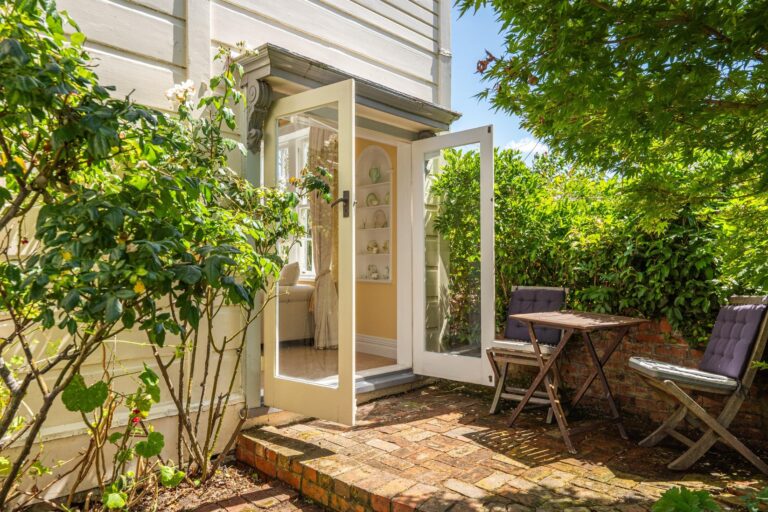

Twelve Things Banks Look At When Applying For A Mortgage (NZ)
Applying for a mortgage in New Zealand can be overwhelming and stressful. Trying to get preapproval is made much easier when you get your ducks in a row. If you find your dream home and have to act fast, it’ll help a lot if you can be prepared for what the banks actually look for.
From our personal experience of my husband being newly self employed, and me as a stay at home mum of five, here are the 12 things we wish we knew.

1. Do You Need Three Months Of Bank Statements When Applying For A Mortgage?
If you are applying for a mortgage from a bank in New Zealand, who is not your current everyday bank, then they will expect you to export three months of bank transactions for all accounts you have.
This will include credit card accounts. Make sure you export as a PDF with your bank’s heading and account information at the top, screenshots or CSV files won’t work.
If you are thinking about applying for a mortgage in New Zealand then it’s a good time to clean up your spending to ensure those statements are flawless.
2. Applying For A Mortgage With Debt (And Available Debt!)
You will have to provide all the debts you have, including personal loans, buy now pay later accounts, credit cards, mortgages etc.
This is not only the debt you have with each company, but the available debt.
So if your afterpay limit when applying for a mortgage is $3000, but you have only spent $200, then you will be assessed at $3000. I suggest lowering your limits or better yet – close the accounts.
When we were applying for a mortgage, when buying our homestead, we had one credit card with a $1000 limit (lowest we could go) which we could demonstrate was paid off every month, which they were satisfied with.

3. Savings Needed When Applying For A Mortgage
Part of what helped us secure our larger mortgage was having some money in our savings account.
Especially as my husband was self employed and I’m a stay at home mum, the bank liked that we could afford to make up any shortfall in income during the winter months, and that we wouldn’t struggle with the repayments.
They didn’t really consider our shares as much as I thought they would, as they could be volatile, despite investing in conservative funds. I’m sure it factored in slightly, and I did provide proof, but they only looked at the real cash in our bank account.
So if needed, I suggest liquidating some investments to boost your available cash.
4. How Much You Can Save Each Week When Applying For A Mortgage
In addition to the actual savings amount, they want to see a consistent amount set aside each paycheck.
In the build up to the application, we saved our entire new mortgage payment in a separate account each week to demonstrate our savings ability. Because if you try and ‘hack’ this like I suggested above, and take out investments, they won’t treat that as serviceable income (but it always helps to have the cash!).
You really need to be saving the amount you require for the new mortgage each week in addition to any extra insurance or rates payments.

5. Costs Associated With The New Mortgage
I touched on this above, your rates and insurance payments are likely to change (or start, if this is your first home).
If you are looking at a specific property, in our case, a listed homestead, find the rates online and have them ready to email. Call an insurance company and get a quote for insuring the home you want to buy, or something similar.
Average them out and divide by 52 for the number you need to be saving weekly.
6. Applying For A Mortgage With Dishonored Payments
Every single missed or dishonored payment will be questioned. I did have to explain a missed insurance direct debit that gave us a $2.50 dishonor fee (whoops).
In this instance she was very happy with my explanation, which was simply that I had miscalculated the date and didn’t have the correct amount in that particular account, which wasn’t our main account. But I did explain that it was in other accounts we had to draw from at the time, which she could see, given it was our main bank.
Consistently failed payments is a red flag for a bank when applying for a mortgage.
7. GST Returns If Self Employed And Applying For A Mortgage
Get PDFs of your GST returns and the proof of payment from IRD if you are self employed. This supports your declared income. Even better if they are done by an accountant.

8. Payslips Or Tax Returns For The Last Financial Year
Generally three months payslips for banks in New Zealand will suffice. For self employment they like two years of an IRD tax return, but it can be done with one year.
Having management accounts typed up by an accountant will make your application much stronger. This includes things like a profit and loss statement, balance sheet, cash flow statements and asset lists.
This was essential for us, as we didn’t even have a full financial year declared with IRD yet, we had been in business from January-January when applying for our homestead, so until March, there was nothing from IRD to show the bank! They ended up accepting our 12 months of management accounts.
If you are in this situation, having previous experience in a full time position in the same line of work makes your application far stronger. The bank wants to know you can fall back on a salary if your business doesn’t work out.
9. How Credit History Affects Applying For A Mortgage
The bank will check for any defaulted loans or credit cards, and any late payments to utilities etc that could show up in a credit check.
Get on top of any outstanding debts early. There are 3 credit reporting agencies in New Zealand: Centrix, Equifax and illion. You can get a free credit report from any of these 3 agencies. Check the details and make sure you aren’t missing a defaulted payment somewhere.
Here is a quick guide to checking your credit history in New Zealand.
10. Applying For A Mortgage With Subscriptions And Direct Debits
Any regular recurring payments will be checked, and matched with your declared expenses on your application. They will want to make sure you aren’t locked into any other weekly contracts like a gym subscription. It might be a good time to pause unnecessary subscriptions or downgrade your plan. Remember you just need three months of super clean accounts when applying for a mortgage in New Zealand.

11. Gifting Certificate Or Border Declarations
If you are expecting gifted money from family, get it in writing, sometimes banks have their own letter to fill out. If you are short on servicing the repayments for the amount you need, get a border declaration signed saying you are going to rent out a room or separate dwelling if possible. The bank won’t consider the full amount as income, but it will be helpful.
12. Tax Credits And Accommodation Supplements For A Mortgage
Yes, a bank will consider your Working for Families payments as income, but not all.
For us, with the Co-Operative Bank, they would only look at Family Tax Credits for children under seven. You could include your In-Work Tax Credit. They also would not consider Best Start Tax Credits, as they are only for a short amount of time.
As we had small children, this worked in our favour quite well. I also suggest opting to receive the payments weekly, as we were on end of year lump sum, but had no ‘proof’ we would receive it, if you are consistently getting it in your bank account, the bank is more likely to accept it.
Use this calculator for a breakdown of your entitlement.
You can also benefit from telling your bank if you qualify for an MSD Accommodation Supplement. As always, get it in writing, make sure you amend your numbers for your new house purchase scenario, not your current situation.
Each bank will have different rules, but from our personal experience with applying for a mortgage in New Zealand, they were open to using these tax credits to support our income.

Looking back, so much of the mortgage process came down to preparation. It’s not just about how much you earn, but how clearly you can show the bank that you are stable, consistent, and able to manage what you already have.
We didn’t have a perfect situation, self employed income, one income, and a large family, but by understanding what the bank was actually looking for, we were able to present our finances in a way that made sense to them. Though it could have been so much faster if we had known!
If you’re working towards buying a home, don’t be discouraged if it feels overwhelming at first. Start small. Tidy up your accounts, simplify your spending, and begin thinking ahead. Even a few months of intentional preparation can make a significant difference.
It’s a process, but it’s a doable one, and it is absolutely worth it in the end.
-Emma
Check out my Ten Tips to Buying a Home In New Zealand Here.